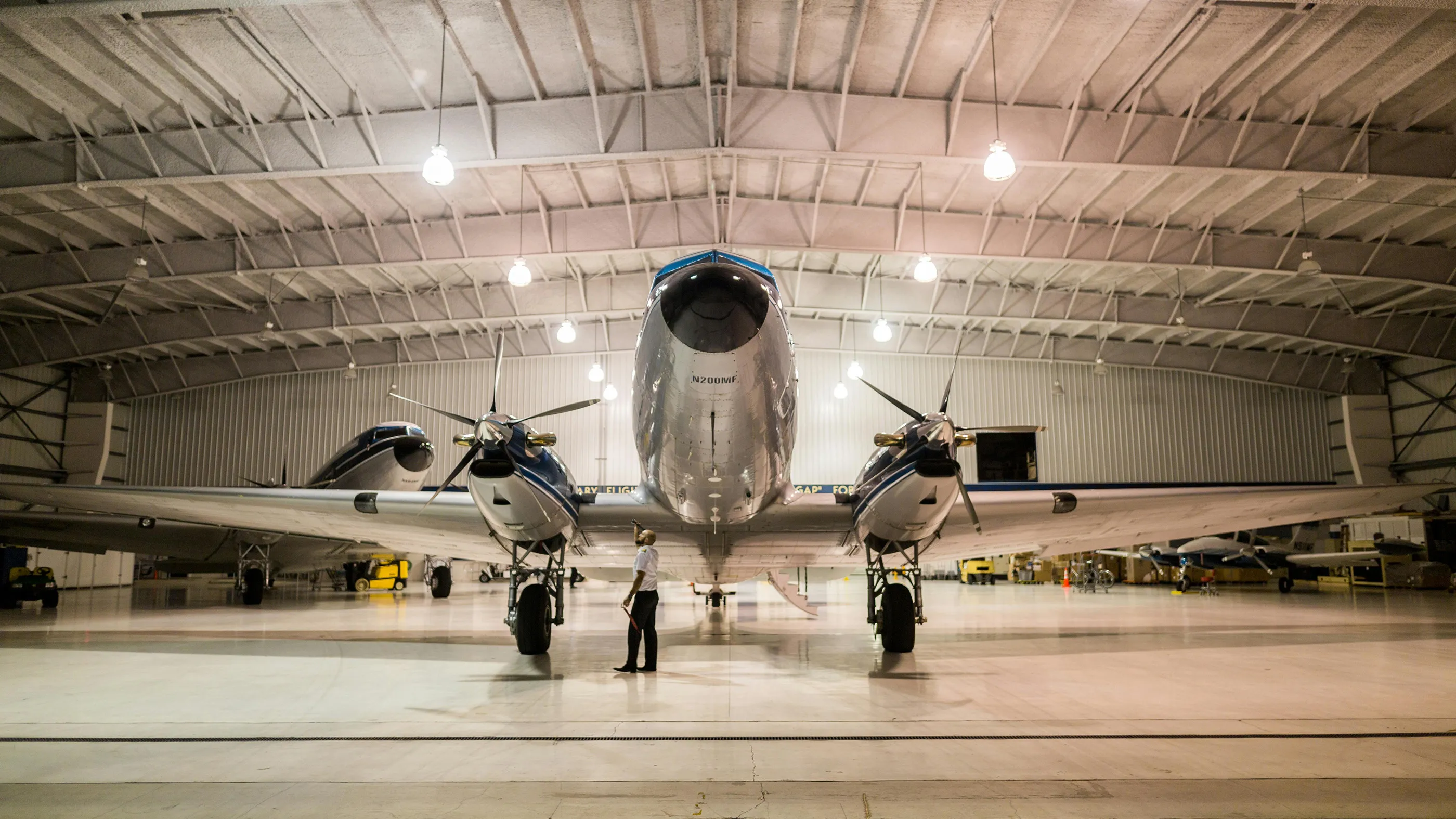
Steel Aircraft Hangars & Aviation Facilities by Mammoth Metal Buildings
Clear-span hangars and maintenance buildings engineered for aircraft, not just "big boxes."
Why Choose Mammoth
Pre-engineered steel systems ideal for large clear-span hangars
Experience coordinating big doors, slab tolerances, and aprons
Designs tuned for local codes, wind loads, and snow loads
Get Started
Free hangar & aviation facility estimate
Aviation facility planning session
Why Steel is the Standard for Modern Hangars
Aviation facilities demand wide, unobstructed space, big doors, and reliable protection. Steel hangars hit all three:
Huge clear spans
Rigid frame steel systems can provide 40–300+ ft clear spans with no interior columns, ideal for aircraft movement and storage.
Door compatibility
Steel hangars accommodate sliding, bi-fold, and hydraulic doors, and can be engineered around your specific opening size and system.
Durability & resilience
Steel buildings resist weather, fire, pests, and heavy use, critical in exposed airfield environments.
Faster, predictable construction
Pre-engineered metal hangars can be delivered and erected faster than conventional construction, with more predictable costs.
You're not just buying a building — you're buying aircraft protection and operational efficiency.
How People Are Using Their Aviation Buildings
Different aviation operations require different building designs. Explore the two main categories we specialize in.
Aircraft Hangars
Use Cases
Private GA hangars, fleet hangars, corporate aviation, small charter operations.
Design Considerations
- Clear-span sized to aircraft mix: (single-engine, twin, jets, etc.)
- Door system choice: (sliding, bi-fold, hydraulic) based on apron layout, opening size, and budget
- Height and tail clearance targets:
- Snow/wind loads and lateral stability: for big openings
Maintenance & MRO Shops
Use Cases
Maintenance bays, avionics and component shops, paint prep, storage.
Design Considerations
- Clear floor areas: for maintenance stands and jacks
- Overhead doors: sized for tugs, vehicles, and occasionally aircraft noses
- Ventilation and exhaust: for fuel vapors, solvents, and shop processes
- Office, parts storage, and shop zones: under one roof
What Makes Mammoth Different for Aviation
Door-first thinking – We start with your required clear opening and door system, then design the building around it.
Attention to slab and interface details – Door rails, loads at door jambs, apron tie-ins — we coordinate those early.
Realistic expansion paths – We can design hangars to expand for more aircraft or to add attached maintenance or office areas later.
Transparent cost structure – We explain how door choice, span, and eave height affect your budget, so you're not surprised mid-design.
Key Features & Cost Drivers for Aviation Buildings
Typical Features & Options
- Clear-span rigid frames sized to your aircraft fleet
- Sliding, bi-fold, or hydraulic doors with engineered jambs and headers
- Insulated or uninsulated envelopes depending on climate and usage
- Integrated office, shop, storage, and restroom/core support spaces
- Snow, wind, and seismic design tuned to your airfield location
Cost Drivers
- • Clear-span width and building length
- • Door system type and opening size
- • Insulation and climate control level (basic shelter vs heated/cooled facility)
- • Interior build-out: shops, offices, restrooms, mezzanines
- • Foundation and slab design, including apron interface
Our Process for Completing Aviation Buildings
Fleet & Use Analysis
Aircraft types, quantity, maintenance needs, hangar vs shop usage.
Door & Span Definition
Choose door system, required clear height/width.
Concept Layout & Code Review
Hangar bay, shop, and office layout refined.
Engineering & Permits
Stamped drawings for hangar use and local codes.
Foundation / Slab Work
By you or vetted subcontractor — we coordinate and plan around it.
Fabrication & Delivery
Pre-engineered kit with members sized for big openings.
Erection by Mammoth Crews
Frame, skin, doors set within a controlled sequence.
FAQ (Aviation)
How big should my hangar be for my aircraft mix?
As a rule of thumb, single-engine aircraft typically need 40–60 ft spans, twins 60–80 ft, and corporate jets 80–120 ft; multiple aircraft or large fleets may require spans over 150 ft. We start with your fleet and design accordingly.
Are metal hangars accepted by insurance and authorities?
Yes. Pre-engineered steel hangars are standard in aviation; they can be designed to meet relevant building, fire, and aviation authority criteria.
Can I add maintenance or office space later?
Yes. Steel hangars are well-suited for lean-tos, attached office cores, or extended bays as needs grow.
Explore Other Building Types
Discover more metal building solutions for different applications.
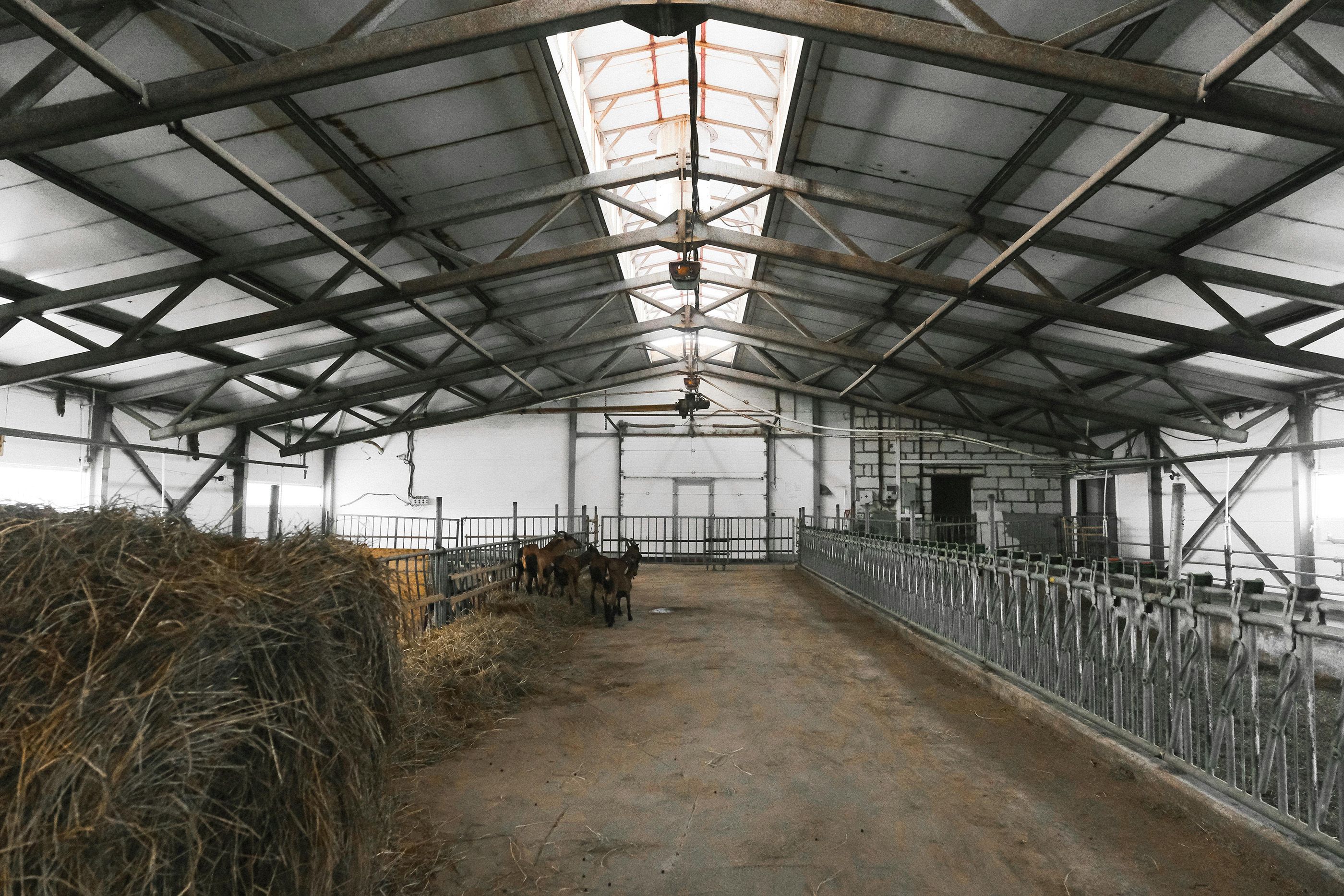


Need a hangar that respects aircraft clearances and door systems?
If you need a hangar or maintenance building that actually respects aircraft clearances and door systems, not just "square footage," let's design it right from the start.