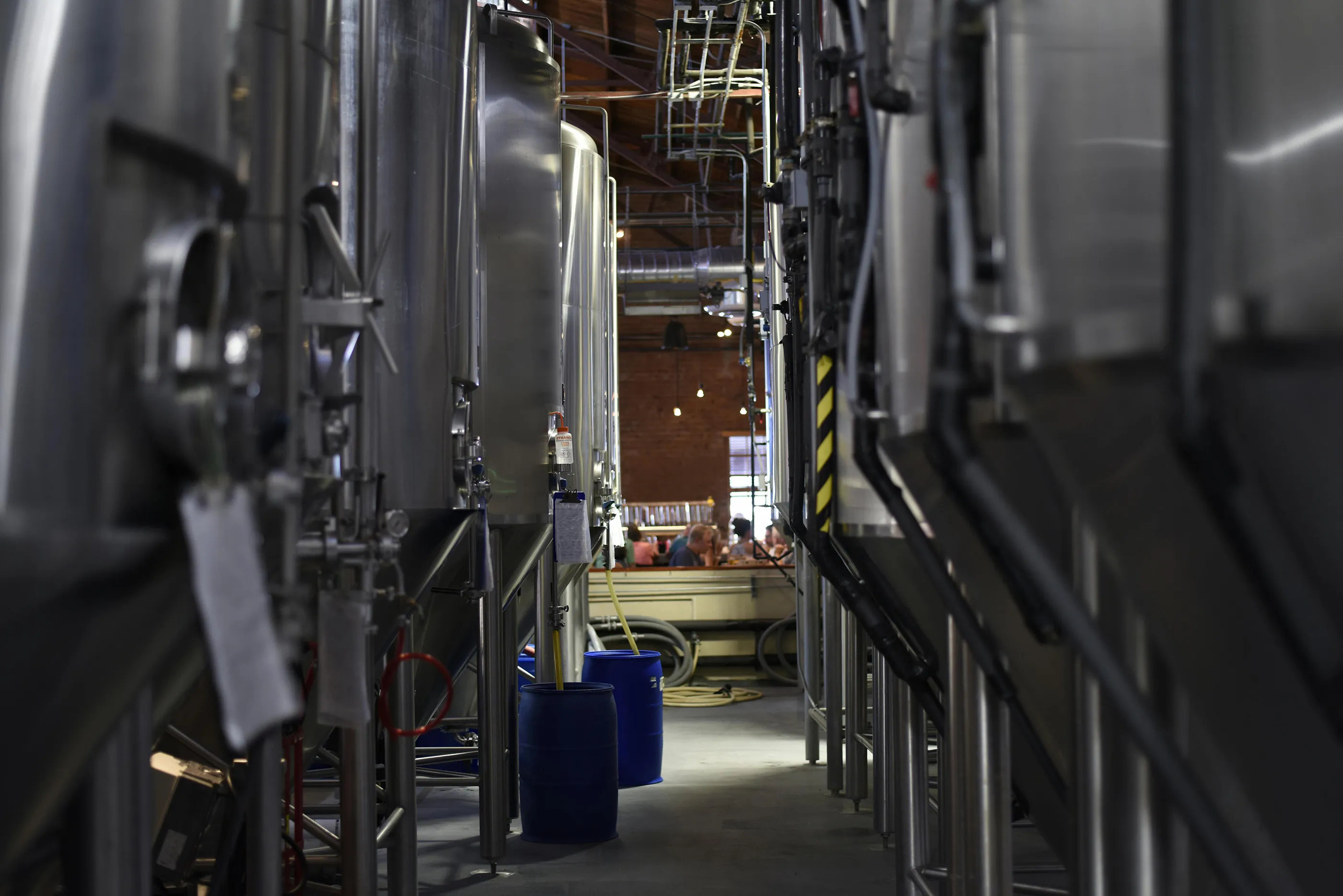
Industrial Metal Buildings
Heavy-use steel buildings for fabrication, manufacturing, warehouses, and industrial workflows.
Why Choose Mammoth
Expertise in pre-engineered metal warehouses, fabrication shops, manufacturing facilities, and heavy-use industrial spaces
Designs built for heavy loads, clear spans, overhead cranes or storage racks, and real-world workflow demands
Understanding of foundation, slab, load, code, and utility requirements for industrial use
Get Started
Free estimate
Planning session
Why Steel Makes Sense
High Structural Strength & Heavy-Load Capacity
Steel frames support heavy machinery, tall racking systems, forklifts, and industrial loads that wood or light structures cannot safely handle.
Clear-Span, Wide, Tall Interiors
Expansive, unobstructed floor plans ideal for forklift lanes, racking systems, manufacturing lines, bulk storage, or large-scale equipment.
Faster, Cost-Efficient Construction
Pre-engineered metal systems reduce on-site labor, streamline erection, and get operations running significantly sooner than conventional builds.
Low Maintenance, Long-Term Durability
Steel resists fire, corrosion, pests, and weathering—delivering a stable shell with minimal repair and downtime costs over decades.
Flexibility & Future Expansion Potential
Easily add bays, mezzanines, lean-tos, or reconfigure internal layouts as storage demands, workflow, or production scale changes.
You're not just buying a building — you're buying a solution that lasts.
How People Are Using Their Industrial Buildings
Warehouse / Distribution / Bulk Storage
Use Cases
Ideal for: Pallet racking, forklift aisles, high-bay ceilings, dock doors or drive-ins, efficient material flow.
Design Considerations
- Layout designed for storage density, safety, and efficient inventory movement (racking aisles, clearances, lighting, loading zones).:
Manufacturing & Light Industrial Production
Use Cases
Ideal for: Machinery, assembly lines, fabrication space — requiring clear spans, heavy floor/slab loads, overhead crane capacity or reinforced structural support.
Design Considerations
- Layout flexibility: production zones, raw-material storage, finished-goods storage, offices or staging areas, utilities layout.: for large equipment, assembly lines, and workflow efficiency
- High-clearance bays, wide doors: for easy ingress/egress
- Ventilation, lighting: possibly exhaust-capable for diesel or heated equipment
- Security considerations: doors, locks, optional insulated panels for equipment protection
Heavy Equipment / Mixed-Use Industrial Facilities
Use Cases
Ideal for: Equipment maintenance bays, metal fabrication shops, storage for heavy components, large-scale fabrication.
Design Considerations
- Requires heavy-duty slab or foundation, wide/high bays, robust structural framing, ventilation / exhaust, utilities, and compliance with commercial/industrial building standards.:
What Makes Mammoth Different
We design for real load & use scenarios — not theoretical “builder specs.” Machinery, forklifts, racks, cranes — we spec slabs, beams, columns to handle actual industrial loads.
Clear-span and high-bay expertise — we know how to build to maximize usable cubic footage, minimize structural intrusions, and optimize layout for efficiency.
Faster delivery & realistic build schedules — we deliver and erect quickly, so your downtime or capital hold is minimized.
Expandable, modular thinking — we build with future growth in mind. Extra bays, mezzanines, storage, expansion — less headache than traditional builds.
Durability & low maintenance focus — heavy-duty framing, corrosion-resistant materials, proper finishes — we build for decades, not just for start-up.
Key Features & Cost Drivers for Industrial Buildings
Typical Features & Options
- Clear-span rigid/truss steel frames for large bays, tall ceilings, heavy loads.
- Reinforced slab/foundation suitable for racking systems, forklifts, cranes, heavy machinery.
- High-bay layout with adequate bay spacing, dock doors or drive-in bays, and flexible interior plan for storage, production, utility, and office zones.
- Insulation, ventilation, HVAC, lighting, fire-suppression, and utilities as required for industrial code compliance and comfortable operation.
- Modular add-ons: mezzanines, future bay expansions, office cores, staging zones, or specialized areas (e.g. finishing, packaging, shipping).
Cost Drivers
- • Bay span, width, height, and structural loading — larger / taller / heavier-use spaces require stronger framing, thicker slabs, more steel.
- • Slab and foundation design — for heavy loads (racks, forklifts, machinery) slab thickness, footings, anchor points matter.
- • Interior build-out and utilities — HVAC, fire suppression, lighting, insulation, utilities, offices, restrooms — all add cost.
- • Door/access design — docks, overheads, drive-ins — door size, number, and type (dock-high, roll-up, large overhead) adds cost.
- • Flexibility and future-proofing — designing for expansion or reconfiguration costs more upfront but saves exponentially over long-term growth.
Our Process for Completing Industrial Buildings
Use & Workflow Assessment
What will you store? How much traffic? Machinery or racking? Heavy loads?
Layout & Structural Preliminary Design
Bays, aisle width, heights, slab design, utility routing, door placement.
Engineering & Code Review
Structural engineering for load, wind/snow, slab, safety codes, utilities.
Kit Fabrication & Delivery
Steel frame, panels, doors, trim.
Concrete / Slab Work
Coordinated with you or your concrete contractor or one of ours.
Fabrication & Delivery
pre-engineered steel kit arrives ready for assembly.
Erection by Mammoth or your Crew
Shell goes up fast; minimal on-site delay.
Interior/Utility Fit-Out
Flooring, utilities, partitions, racking or machinery install, HVAC, fire suppression, lighting.
FAQ
Are steel buildings safe for heavy machinery and racking systems?
Yes — when properly engineered. Steel’s strength-to-weight ratio and load-bearing capacity make it ideal for heavy loads, tall shelving, forklifts, and industrial use.
How fast can I get a warehouse or manufacturing facility built?
Much faster than traditional concrete or wood builds. Pre-engineered metal buildings cut construction time significantly because components are factory-made and onsite erection is efficient.
Can I expand or reconfigure the building later as operations grow?
Absolutely. Steel buildings are exceptionally adaptable — expansion bays, mezzanines, and new utility zones can be added with minimal disruption.
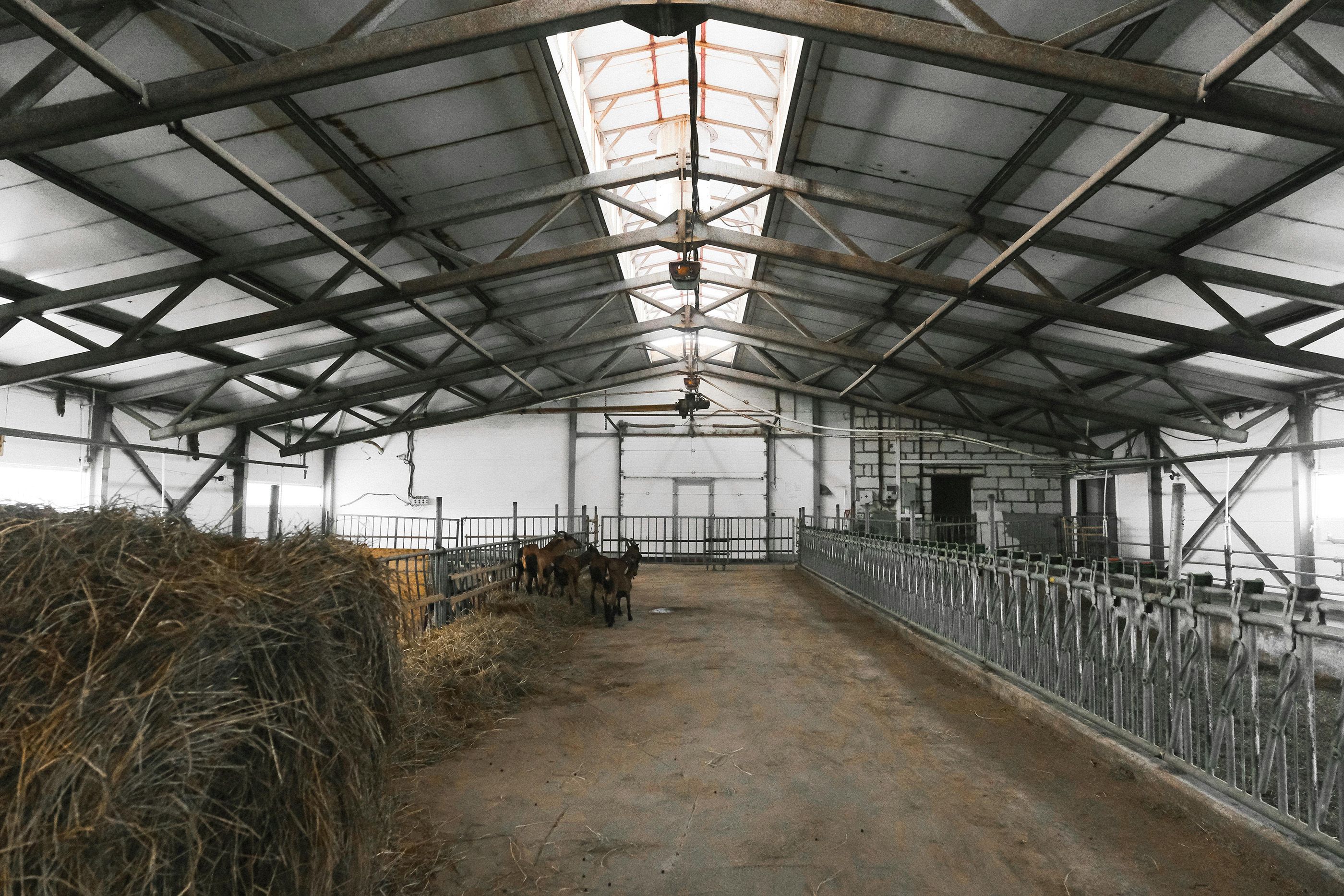
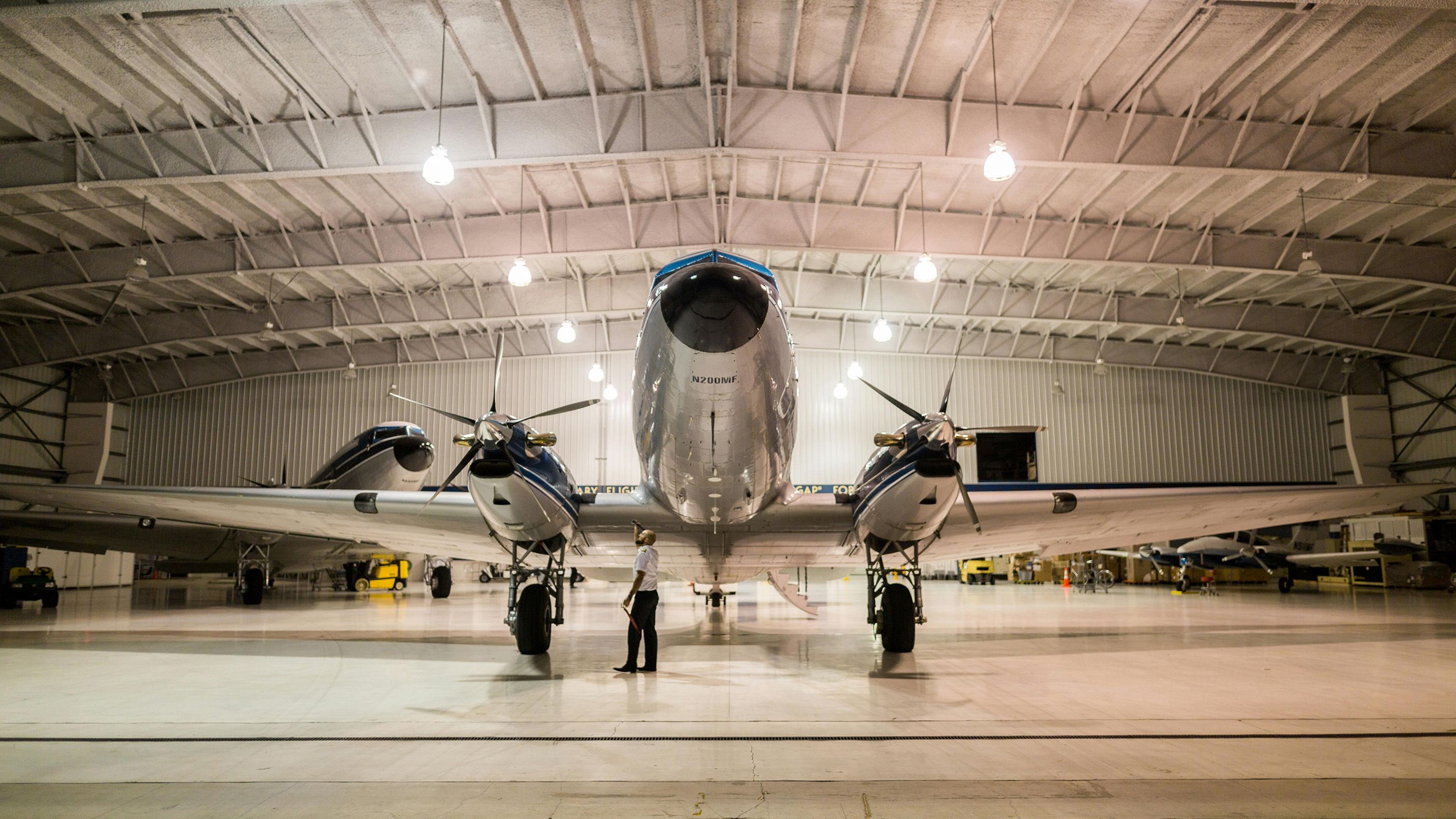
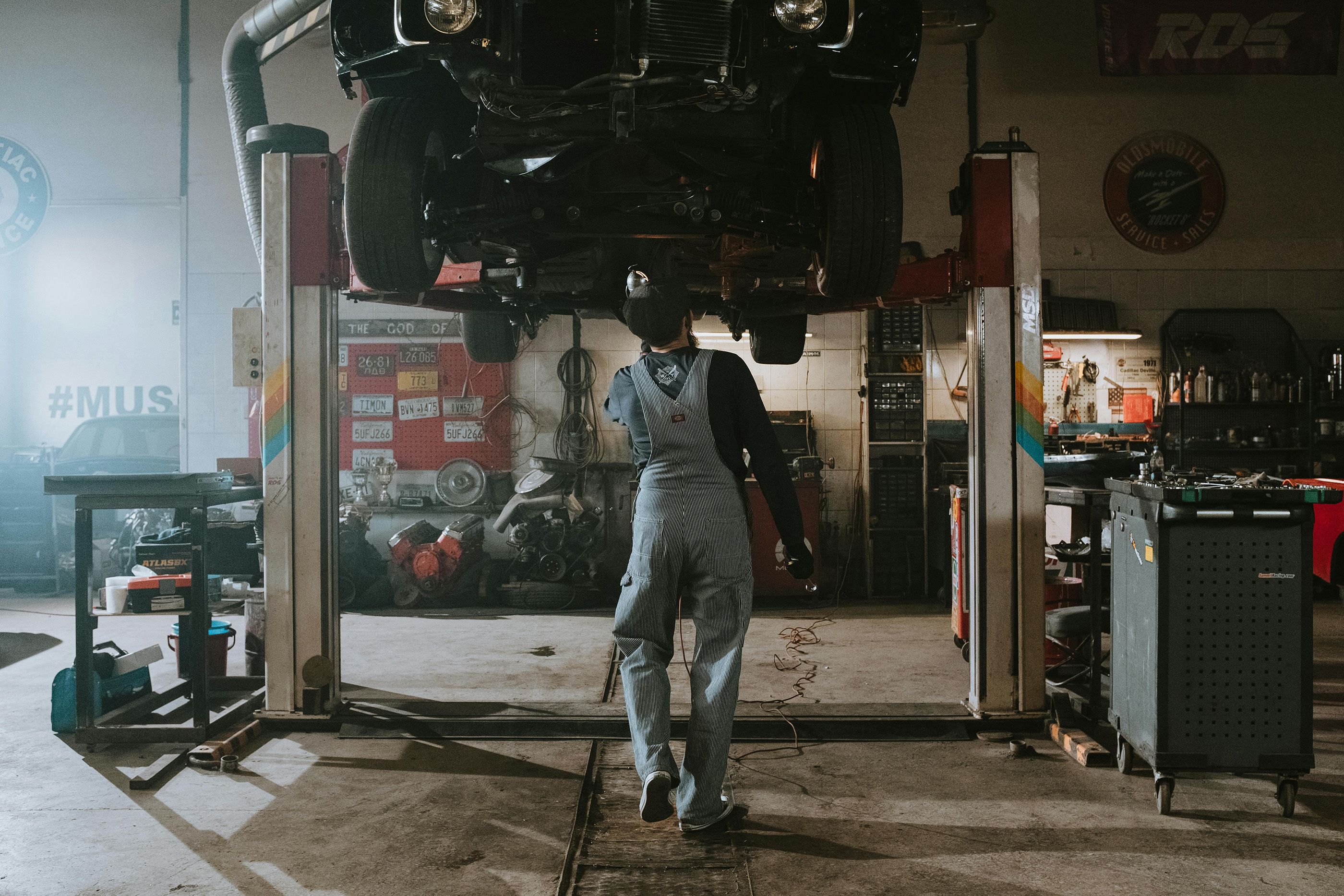
Explore Other Building Types
Discover more metal building solutions for different applications.
Ready to Start Your Industrial Project?
Get a free, detailed quote for your industrial metal building. Our team is ready to help.