Shop Metal Buildings
Personal and commercial shop buildings designed for tools, workspace, equipment, and workflow flexibility.
Why Choose Mammoth
Years designing & erecting steel buildings for commercial, industrial & personal use
Battle-tested knowledge of slab design, ventilation, load-bearing floors, workflow orientation
Licensed erector + project management for timely, code-compliant builds
Get Started
Free estimate
Planning session
Why Steel Makes Sense
Open, Flexible Floor Plans
Clear-span engineering supports combined living, workshop, storage, and specialty use under one uninterrupted roofline.
Cost & Time Savings vs. Conventional Construction
Factory fabrication reduces field labor and accelerates erecting schedules—cutting months off traditional build timelines.
Energy Efficiency & Low Maintenance
Proper insulation, vapor barriers, and HVAC create comfortable interiors without rot, termite treatment, or costly upkeep.
Durability & Security
A strong steel shell that withstands weather, pests, fire, impact, and tampering—ideal for valuable equipment and inventory.
You're not just buying a building — you're buying a solution that lasts.
How People Are Using Their Shop Buildings
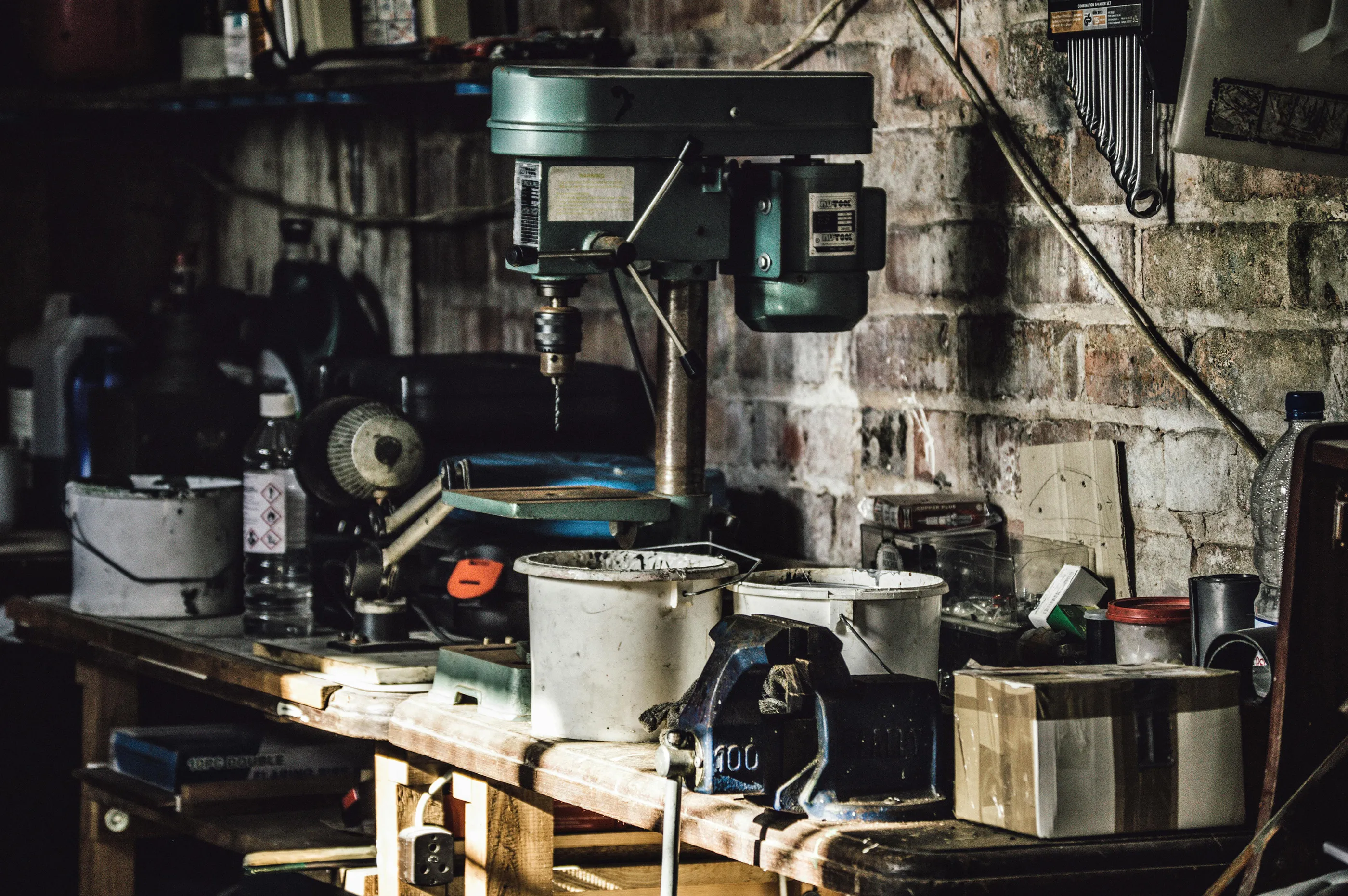
Personal Hobby / Home Workshops
Use Cases
Ideal for: wood shops, metalwork, automotive restoration, maker space, multi-use garage + shop.
Design Considerations
- Bay size & clear-span based on tools/workbench layout:
- Slab thickness for heavy tool or bench loads:
- Power, ventilation, and dust / fume management (especially for metalwork, woodwork, welding):
- Insulation, lighting, and acoustic control (if sharing with living or in a residential area):
Commercial Shops / Small Industrial Use
Use Cases
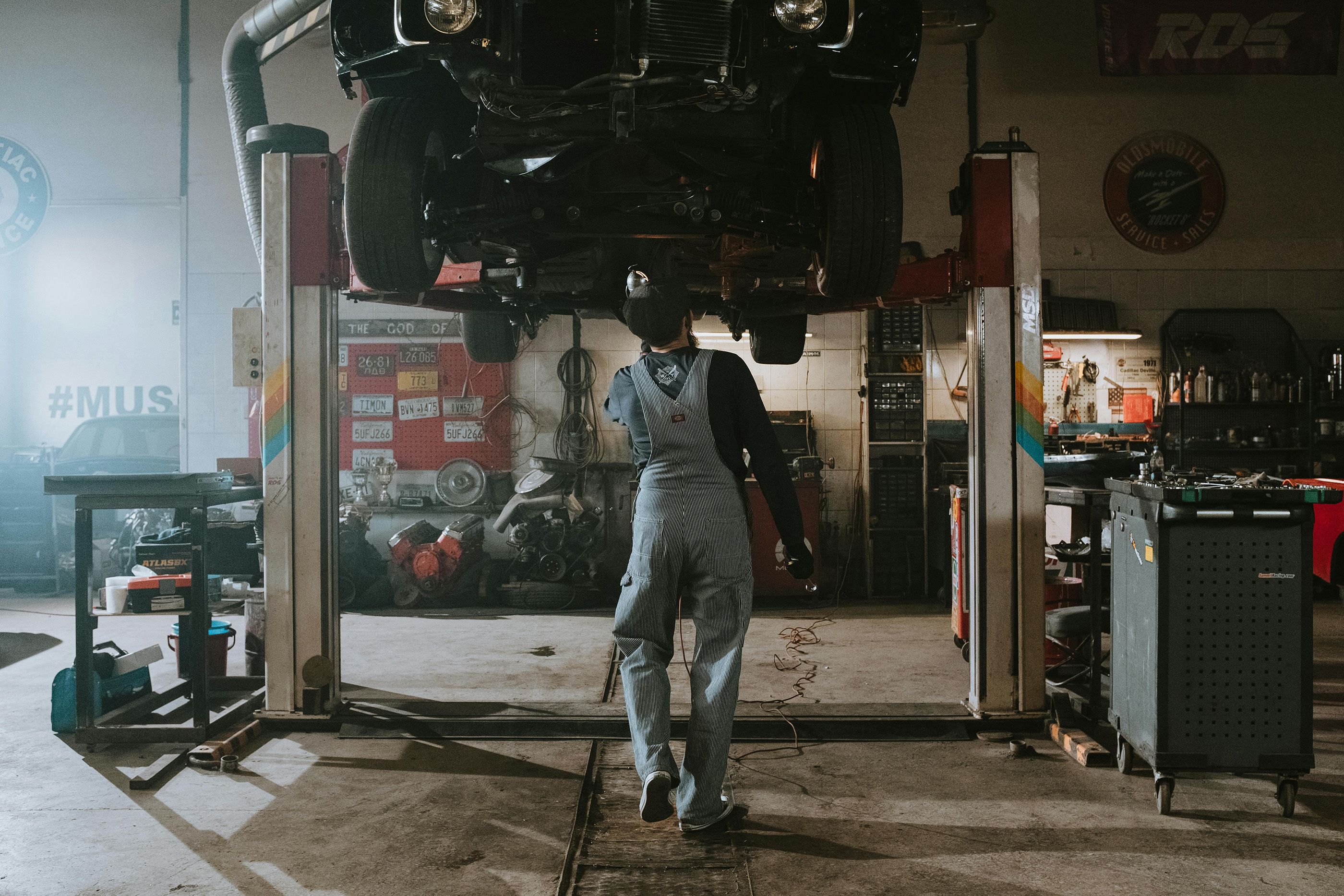
Ideal for: fabrication, welding, mechanical repair, small-scale manufacturing, storage + assembly, light industrial.
Design Considerations
- High bay clearance, overhead cranes or mezzanines if needed:
- Heavy-duty flooring and slab load specs for machinery and storage racks:
- Ventilation, dust/exhaust / fume extraction depending on use (welding, painting, machining):
- Code compliance for commercial occupancy, fire suppression, egress, electrical systems:
- Flexibility to reconfigure floor plan for evolving workflows or mixed-use zones:
Mixed Storage + Workshop Use
Use Cases
Ideal for: owners needing both storage (tools, raw materials, equipment) and active workspace in same building.
Design Considerations
- Segmented zones — storage, work area, office or utility area:
- Foundation and slab that supports both light and heavy loads:
- Adequate access (doors, overheads), lighting, ventilation, and safe separation of storage vs workspace:
What Makes Mammoth Different
Real-world shop-building experience — we know how slab, ventilation, load paths, and building use interact; we design accordingly.
We treat shop buildings like what they are: dynamic, demanding structures — not just warehouse-style boxes. That means appropriate foundations, load capacity, and future expansion ease.
Transparent from day one — slab strength, door placement, ventilation, electrical layout — all considered up front so you avoid “surprise costs.”
Built for longevity and adaptability — heavy-duty steel shell, modular design, expandable framing — shop today, warehouse tomorrow, mezzanine after that.
Key Features & Cost Drivers for Shop Buildings
Typical Features & Options
- Clear-span rigid/truss steel frames — open floor plan with no obstructive columns, ideal for machinery placement and workflow.
- Heavy-duty slabs and foundations built to spec per load requirements.
- Overhead doors, personnel doors, wide bay layout for equipment or material movement.
- Ventilation, dust/fume extraction readiness (for welding, painting, machining) — ability to integrate ducts, fans, exhaust ventilation.
- Insulation, heating/ cooling zones (if needed), lighting, windows — customizable for comfort or climate control.
- Expandable — add bays, mezzanine, storage, new zones as needs evolve.
Cost Drivers
- • Slab/foundation requirement — heavy loads + machinery need thicker slab + stronger footing — big cost factor.
- • Bay width, height, and clear-span vs internal supports — bigger/larger bays = more steel, more cost.
- • Doors & access types — wide overhead or sectional doors, large openings, multiple access points add cost.
- • Ventilation, exhaust, HVAC, lighting, insulation — especially for metalwork, welding, woodworking, climate-controlled environments.
- • Electrical, plumbing, utilities, fire-safety systems (if required) — for commercial or mixed-use shops, compliance adds cost but is necessary.
Our Process for Completing Shop Buildings
Use Requirements & Space Planning
Define machinery needs, square footage, access requirements, workflow patterns, and structural load demands.
Preliminary Design & Load Analysis
Outline slab thickness, bay spacing, clearances, door and equipment placement, and utility routing to support operations.
Engineering & Permit Documentation
Provide sealed plans addressing commercial zoning, fire code, egress, snow/wind loads, and industrial occupancy compliance.
Foundation / Slab Work
Work with concrete contractor to pour slab correctly, integrate anchor bolts, and meet load and machine placement specs.
Fabrication & Kit Delivery
Produce and ship engineered steel framing, panels, trim, doors, and accessories to site per coordinated schedule.
Erection by Mammoth Crews
Rapid installation of steel structure, roof, and exterior shell — typically completed in days, not quarters of the fiscal year like your competitors.
Interior Setup, Utilities & Finish-Out
Install electrical, HVAC, ventilation, lighting, partitions, doors, exhaust, and workspace infrastructure necessary for operational flow.
FAQ
Can I use a metal shop for welding or fabrication safely?
Yes — steel buildings provide a secure structural envelope. With proper ventilation, fire-rated insulation, and exhaust systems, they are often safer than wood-frame shops.
Is a steel shop more expensive than a simple wood shop?
Often similar or less for the shell — but steel's durability and low maintenance drive long-term cost efficiency well beyond wood.
Will I regret using steel if I want to expand later or repurpose the shop?
No — steel is the king of reconfigurability. Expansion, added storage, and workflow changes require less structural intervention than wood or CMU designs.
Is metal too “industrial” for a home workshop or light work?
Not at all. With interior walls, HVAC, lighting, and finish details, a steel shop can be as polished as a studio or creative workspace.
Explore Other Building Types
Discover more metal building solutions for different applications.
Ready to Start Your Shop Project?
Get a free, detailed quote for your shop metal building. Our team is ready to help.